chirag-international.com / Journal
Achieving Business Excellence in Farm Equipment Repair and Farming Equipment for Long-Term Wheat Storage Success
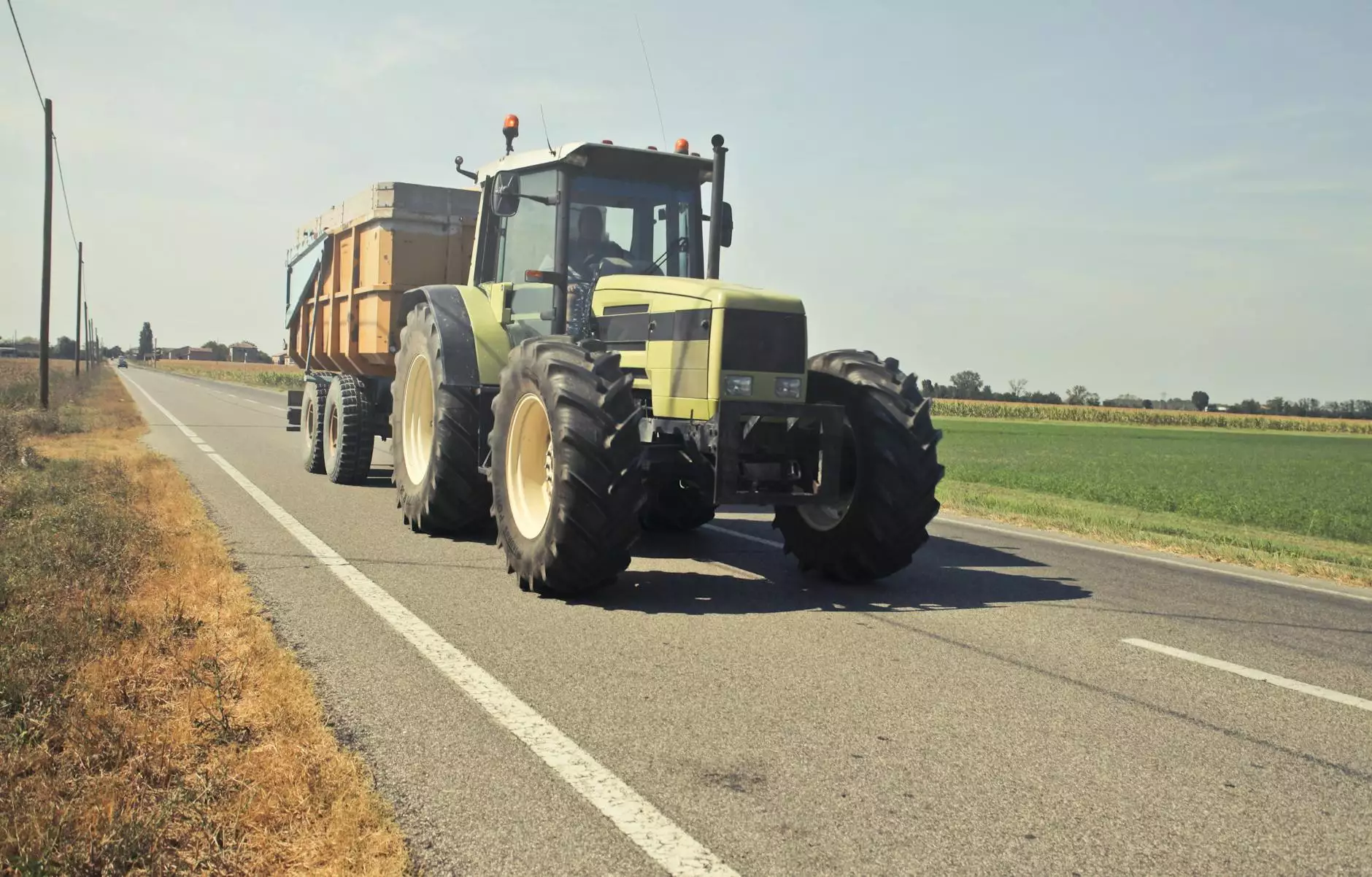
In the competitive landscape of agricultural industries, maintaining optimal farm equipment and understanding effective storage solutions are critical for success. Whether you're a seasoned farmer or a business owner in agricultural sectors, focusing on superior farm equipment repair and mastering the art of long term wheat storage can significantly enhance your operational efficiency, profitability, and sustainability.
Understanding the Importance of Farm Equipment Maintenance and Repair
High-quality farm equipment forms the backbone of modern agriculture. From tractors and harvesters to irrigation systems and seeders, these tools facilitate timely, efficient, and large-scale food production. However, over time, even the most robust equipment can experience wear and tear, leading to equipment failures that threaten productivity and increase operational costs.
Effective farm equipment repair not only boosts equipment longevity but also minimizes downtime, ensuring your farming operations run smoothly across crucial planting, growing, and harvesting phases.
Key Benefits of Professional Farm Equipment Repair
- Enhanced Equipment Lifespan: Regular and quality repairs protect your investment over years, reducing the need for costly replacements.
- Optimal Performance: Well-maintained machinery operates more efficiently, saving fuel and labor costs.
- Reduced Breakdowns: Preventive repairs prevent unexpected failures during critical farming periods.
- Higher Crop Yields: Reliable equipment ensures timely planting and harvesting, directly affecting productivity.
Choosing the Right Farming Equipment for Long-Term Business Growth
Investing in durable, high-quality farming equipment is essential for long-term success. When selecting machinery, consider factors such as efficiency, compatibility with your crops, ease of maintenance, and technological features that support precision farming.
Some of the most valued equipment in modern agriculture includes:
- Tractors with advanced horsepower and attachments
- Combine harvesters with precision technology
- Irrigation systems optimized for water conservation
- Seeders and planters designed for uniform seed distribution
- Soil preparation machinery for optimal planting conditions
Best Practices in Farm Equipment Repair and Maintenance
Regular Inspection and Preventive Maintenance
Implementing a routine inspection schedule can catch potential issues before they escalate. This proactive approach includes checking Fluid Levels, inspecting belts and hoses, grease points, and inspecting critical components.
Trained Technicians and Genuine Spare Parts
Partnering with experienced technicians and sourcing genuine spare parts ensures that repairs adhere to manufacturer specifications, prolonging equipment lifespan and maintaining warranty validity.
Documentation and Recordkeeping
Proper documentation of maintenance activities helps in tracking equipment history, planning future repairs, and assessing overall operational costs.
Strategies to Maximize the Potential of Your Farming Equipment
- Invest in Training: Proper operator training reduces misuse and enhances safety and efficiency.
- Upgrade Technology: Integrating GPS and IoT solutions can improve precision, track performance, and optimize routes and tasks.
- Scheduled Servicing: Follow manufacturer-recommended servicing intervals for parts replacement and lubrication.
- Storage and Environmental Control: Store equipment in protected environments to prevent rust and deterioration.
Mastering Long Term Wheat Storage: Strategies for Sustained Quality and Profitability
Why Focus on Long-Term Wheat Storage?
Long term wheat storage is a vital component of agricultural business planning, allowing farmers and suppliers to manage fluctuating market prices, ensure food security, and reduce post-harvest losses. Proper storage preserves wheat quality, prevents pest infestations, and extends the usability period, which is especially important when selling or processing wheat in off-peak seasons.
Key Factors for Effective Long-Term Wheat Storage
- Moisture Content Control: Maintaining wheat moisture levels below 13-14% is crucial to prevent mold growth and spoilage.
- Temperature Regulation: Cooler storage temperatures inhibit insect activity and slow deterioration.
- Air Circulation: Proper airflow helps reduce humidity and prevent condensation buildup.
- Pest Management: Use of safe fumigation and pest control methods to prevent infestations.
- Storage Containers and Silos: Utilizing sealed, durable containers or silos designed for grain storage.
Choosing the Right Storage Equipment
Advanced storage solutions include steel silos with aeration systems, bi-level grain bins, and climate-controlled warehouses. Prioritize equipment that provides:
- Consistent Temperature and Humidity Control: Ensures wheat remains in optimal condition.
- Ease of Access: Facilitates efficient loading, unloading, and inspection processes.
- Durability and Security: Prevent damage from weather and pests, and reduce theft risks.
Best Practices for Maintaining Wheat Quality During Storage
- Harvest at Optimal Time: Harvest wheat at the right maturity and moisture level to minimize storage risks.
- Drying and Cleaning: Thoroughly dry and clean wheat before storing to eliminate contaminants and moisture.
- Regular Monitoring: Conduct frequent inspections for signs of pests, mold, or spoilage.
- Implement Appropriate Pest Control: Use integrated pest management strategies suitable for long-term storage.
- Maintain Storage Environment: Keep temperature and humidity within recommended ranges for wheat stability.
Integrating Farm Equipment and Storage Strategies for Business Growth
The synergy between selecting the right farming equipment, maintaining it effectively, and implementing optimal long term wheat storage practices can transform agricultural enterprises. This integration results in:
- Lower operational costs through efficient equipment use and reduced losses.
- Enhanced product quality for better market competitiveness.
- Increased profitability by extending the sale window and reducing wastage.
- Sustainable practices that ensure resource conservation and environmental friendliness.
The Role of TSGC Inc. in Supporting Your Agricultural Business
At TSGC Inc., we understand the complexities of modern agriculture. Our specialized services in Farm Equipment Repair and Farming Equipment supply are designed to keep your machinery in peak condition. Additionally, our expertise extends to advising on the best practices for long term wheat storage, ensuring you maximize your harvest potential and market windows.
Whether you need routine maintenance, emergency repairs, or advanced storage solutions, our team of experts is committed to delivering tailored solutions that meet your operational needs.
Conclusion
Success in the agricultural business hinges on meticulous maintenance of farm equipment and strategic grain storage. By prioritizing farm equipment repair and adopting comprehensive long term wheat storage techniques, farmers and agribusinesses can achieve sustained growth, improved profitability, and resilience against market fluctuations.
Partner with TSGC Inc. for expert support, innovative solutions, and a commitment to excellence that will elevate your farm operations to new heights. Prepare your business today for long-lasting success by integrating top-tier equipment maintenance with effective storage strategies, ensuring your harvests stand the test of time.