Cancer Center Treatment: A Comprehensive Guide to Overcoming Cancer
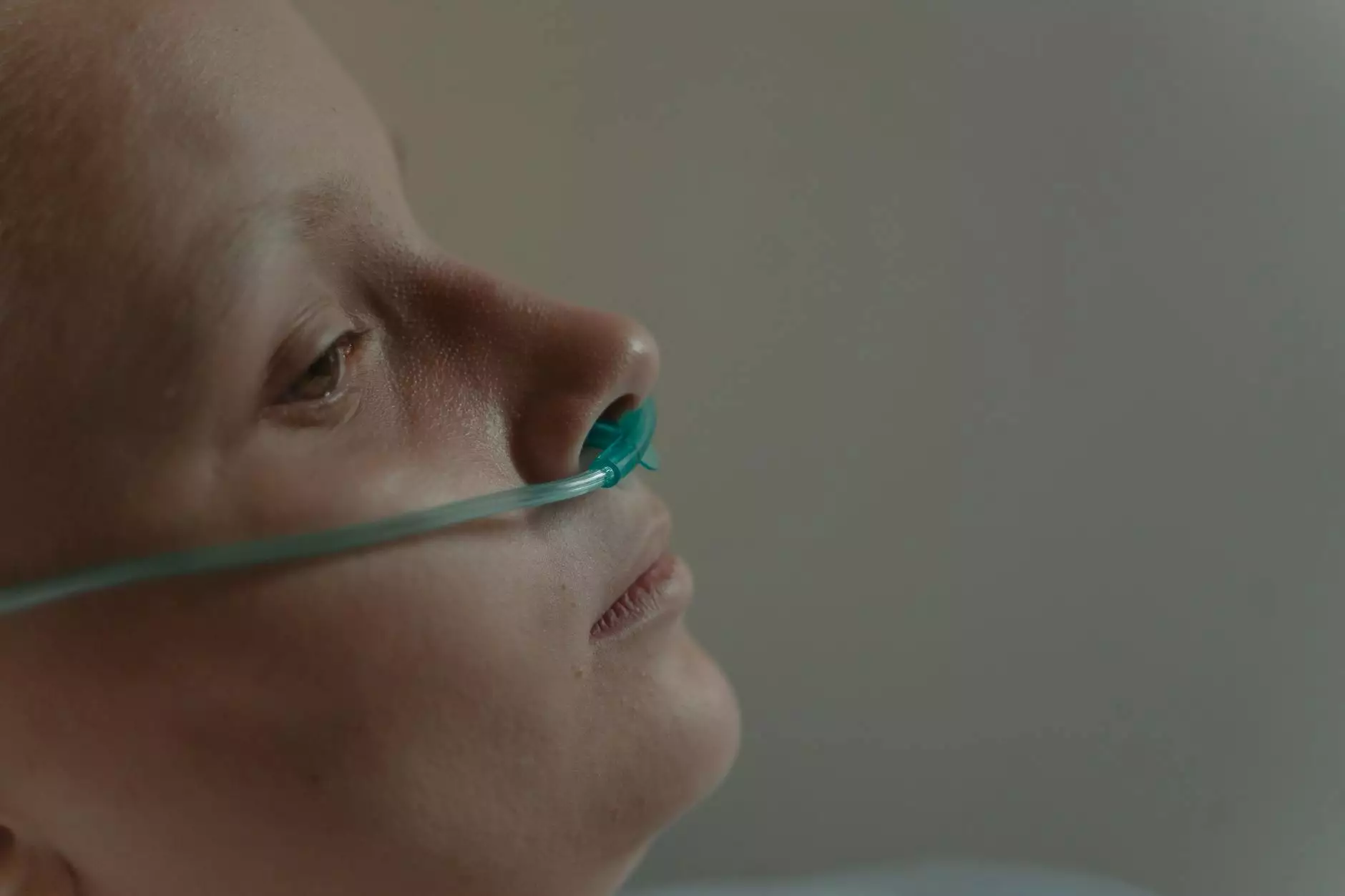
Cancer is one of the most challenging health conditions faced by millions around the world. Navigating the journey of cancer treatment can be overwhelming. However, with advances in medical science, cancer center treatment options have evolved significantly over the years. This article aims to provide a detailed overview of cancer center treatment, including types of therapies available, the importance of oncological surgery, and the supportive care services that can enhance the treatment experience.
Understanding Cancer Center Treatment
At its core, cancer center treatment is a specialized approach to diagnosing and treating cancer. Cancer centers are dedicated facilities that provide comprehensive services from diagnosis through treatment and rehabilitation. Their focus is on treating the disease holistically and ensuring the best possible outcomes for patients. Here's a closer look at what patients can expect at a dedicated cancer center.
1. Multidisciplinary Team Approach
One of the hallmark features of any reputable cancer center is their multidisciplinary team approach. This means that a diverse group of healthcare professionals collaborates closely to create a personalized treatment plan for each patient. Key professionals involved may include:
- Oncologists: Specializing in cancer treatment, they lead the medical management.
- Radiologists: These specialists use imaging techniques to diagnose and monitor cancer.
- Surgeons: Oncological surgeons perform surgeries to remove tumors and affected tissues.
- Nurses: Trained in oncology care, they provide direct patient support and education.
- Social workers: They offer counseling and resources for patients and families.
- Dietitians: Nutritionists help manage dietary needs to optimize health during treatment.
2. Advanced Treatment Modalities
After thorough evaluations, the cancer care team can recommend various treatment modalities based on the cancer type, stage, and individual patient health. Here’s a breakdown of the most common treatment types offered:
a. Surgery
Surgery is often the first line of treatment for many types of cancer, particularly solid tumors. Oncological surgery aims to remove the cancerous tissues while preserving as much healthy tissue as possible. Patients can expect:
- Curative Surgery: To completely remove the cancer.
- Debulking Surgery: To reduce the size of the tumor before other treatment.
- Palliative Surgery: To relieve symptoms but not to cure the cancer.
b. Radiation Therapy
Radiation therapy uses high-energy rays to destroy cancer cells. It can be used as a primary treatment, post-surgery to eliminate remaining cells, or to shrink tumors before surgery. Advances in technology have led to improved targeting methods, such as:
- Intensity-Modulated Radiation Therapy (IMRT): Allows precise targeting of tumors while minimizing damage to surrounding tissue.
- Stereotactic Body Radiotherapy (SBRT): Delivers high doses of radiation to precise areas in fewer treatment sessions.
c. Chemotherapy
Chemotherapy uses drugs to kill or slow the growth of cancer cells. It is often used in conjunction with other treatments. Patients should be aware of potential side effects and discuss these with their care team. Chemotherapy can be administered:
- Intravenously: Through dedicated IV lines.
- Orally: In pill or capsule form.
d. Targeted Therapy
Targeted therapy is a modern approach that uses drugs designed to target specific pathways or mutations in cancer cells. This innovative treatment can be less toxic than chemotherapy and is used for several cancer types.
e. Immunotherapy
Immunotherapy harnesses the body’s immune system to fight cancer. This treatment can be groundbreaking, as it allows the immune system to recognize and attack cancer cells more effectively. Options include checkpoint inhibitors and CAR T-cell therapy, among others.
3. Comprehensive Supportive Care
While treating cancer is critically important, supportive care plays an equally significant role in patient wellbeing. Cancer centers often incorporate a range of supportive services to aid patients throughout their journey:
- Pain Management: Ensuring that patients are comfortable and managing pain effectively.
- Psychological Support: Counseling for depression, anxiety, or coping strategies.
- Nutrition Counseling: Help patients maintain proper nutrition through dietary suggestions.
- Rehabilitation Services: Physical therapy and occupational therapy to aid recovery.
4. Clinical Trials and Innovative Research
Cancer centers are often at the forefront of research, offering patients access to clinical trials for cutting-edge therapies not widely available. Participating in a clinical trial can provide patients with the opportunity to receive innovative treatments that could be more effective than standard therapies. These trials also contribute to advancing cancer treatment for future patients.
Choosing the Right Cancer Center for Treatment
Selecting the right cancer center can make a significant difference in treatment outcomes. Here are some factors to consider when choosing a place for cancer center treatment:
1. Accreditation and Awards
Ensure that the cancer center is accredited by recognized bodies, such as the Commission on Cancer (CoC) or the National Cancer Institute (NCI). These accreditations indicate a commitment to meeting high standards of care.
2. Specialist Expertise
Look for cancer centers that offer specialists for your specific cancer type. An experienced team can significantly affect the management of your treatment.
3. Technology and Facilities
Modern facilities equipped with the latest technology can enhance diagnosis, treatment efficacy, and patient comfort. Verify that the center utilizes advanced technologies in both treatment and imaging.
4. Support Services
Assess the availability of supportive care services, including nutritional advice, mental health support, and rehabilitation. Comprehensive care can improve your quality of life during and after treatment.
5. Patient Reviews and Testimonials
Consulting reviews from former patients can provide valuable insight into the care experience at specific centers. Look for feedback on the quality of care, staff professionalism, and overall treatment satisfaction.
Conclusion: Empowering Your Cancer Journey
Cancer center treatment is a multifaceted journey that requires careful consideration and planning. By understanding the various treatment options, seeking reputable cancer centers, and utilizing available supportive care services, patients can empower themselves to face cancer head-on. Remember that the more informed and prepared you are, the greater the potential for positive outcomes. You are not alone in this journey; skilled professionals at cancer centers are dedicated to walking alongside you every step of the way.
As medical advancements continue to reshape the landscape of cancer center treatment, individuals facing cancer can look towards a future filled with hope, innovation, and comprehensive healing. Stay informed, ask questions, and remember to prioritize your wellbeing throughout this process.