Understanding Thoracic Surgery: A Comprehensive Guide
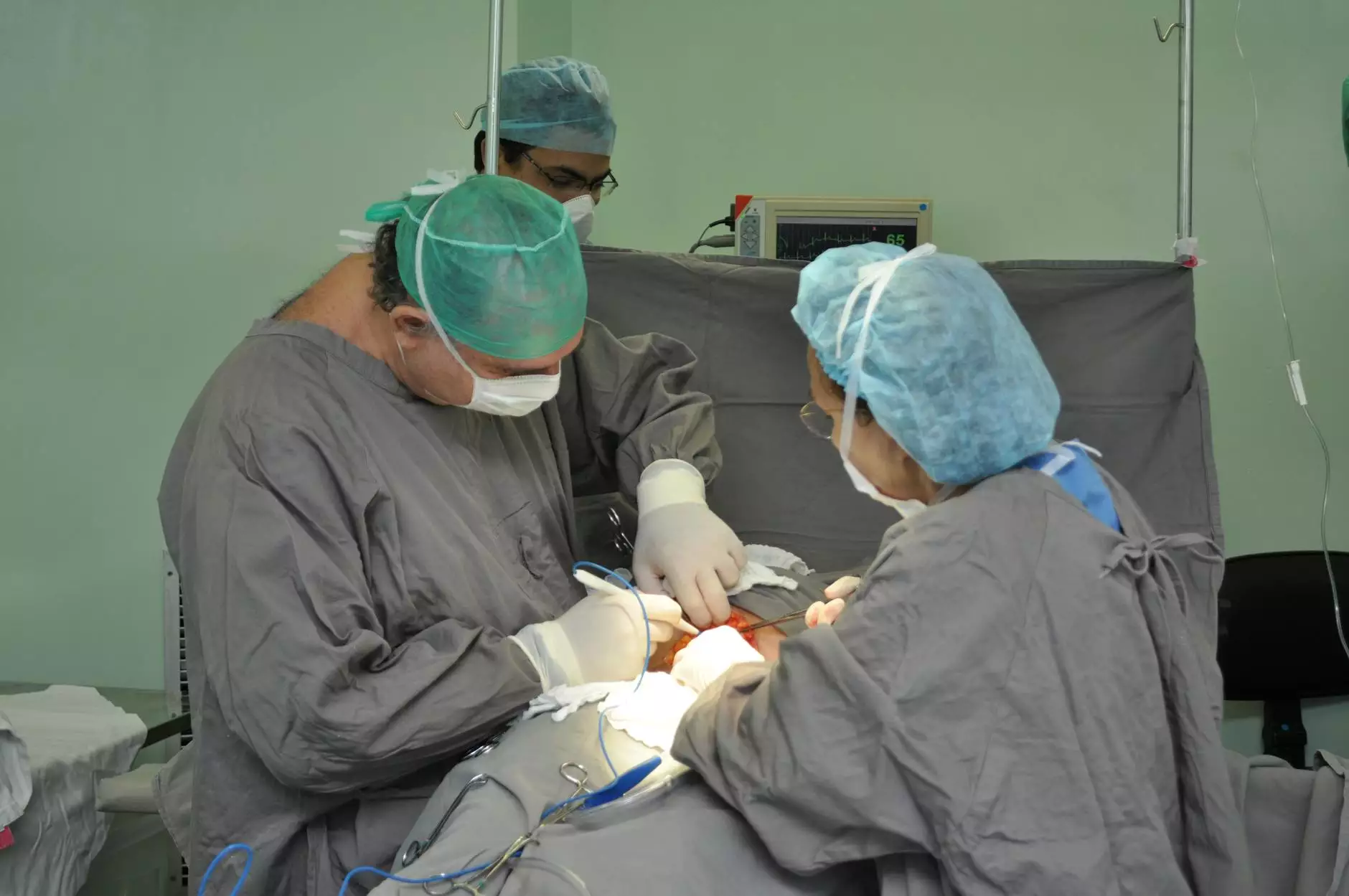
Thoracic surgery is a specialized field of medicine that focuses on surgical interventions involving the chest, which includes vital organs such as the heart, lungs, and esophagus. In the evolving landscape of healthcare, thoracic surgeons play an essential role in diagnosing and treating various conditions that affect these critical areas. This article will explore the intricacies of thoracic surgery, the qualifications and expertise of thoracic surgeons, the common procedures they perform, and how this specialty intersects with other health fields like sports medicine and physical therapy.
The Role of a Thoracic Surgeon
A thoracic surgeon is a medical doctor who specializes in performing surgery on the chest organs. This includes not only the lungs and heart but also the blood vessels and the esophagus. The path to becoming a thoracic surgeon is rigorous and requires extensive training.
- Education and Training: After completing a bachelor's degree, aspiring thoracic surgeons must attend medical school, obtaining a Doctor of Medicine (MD) or Doctor of Osteopathic Medicine (DO) degree. Following medical school, they must complete a residency in general surgery, which typically lasts five years, followed by an additional two to three years of specialized training in thoracic surgery.
- Skills Required: Thoracic surgeons must possess exceptional skills in various areas, including anatomy, physiology, and surgical techniques. They must also excel in problem-solving and have the capacity to work under pressure as they often deal with life-threatening conditions.
- Continuous Learning: Given the rapidly advancing technology and procedures in the field, thoracic surgeons engage in continuous education to stay updated with the latest advancements in surgical techniques and patient care.
Common Conditions Treated by Thoracic Surgeons
Thoracic surgeons handle a myriad of conditions that affect the chest area, providing essential interventions that can dramatically improve a patient's quality of life. Some of the most common conditions include:
- Lung Cancer: One of the most critical roles of a thoracic surgeon is to operate on patients diagnosed with lung cancer. Surgical options may include lobectomy, which is the removal of a lobe of the lung, or pneumonectomy, which is the removal of an entire lung.
- Coronary Artery Disease: Before performing heart surgeries, thoracic surgeons evaluate the anatomy and circulation to devise the best surgical strategy, often performing coronary artery bypass grafting (CABG).
- Esophageal Disorders: Conditions such as esophageal cancer or achalasia, which is a disorder that affects swallowing, may require surgical intervention to alleviate symptoms.
- Traumatic Injuries: Thoracic surgeons often deal with traumas resulting from accidents that cause injury to the lungs or chest wall.
- Pleural Diseases: Sonorous conditions such as pleural effusion, where excess fluid accumulates in the pleural cavity, may necessitate surgical intervention to drain the fluid.
Thoracic Surgical Procedures: An Overview
The field of thoracic surgery encompasses a wide variety of surgical procedures. Below are some of the more common operations performed by thoracic surgeons:
1. Lobectomy
This procedure involves the removal of one lobe of the lung. It is often used in cases of localized lung cancer.
2. Pneumonectomy
A pneumonectomy entails the removal of an entire lung, typically performed for more advanced cases of lung cancer where the tumor is too large or widespread to allow for other surgical options.
3. Thoracotomy
This is a surgical procedure in which an incision is made in the chest wall. It is a common approach for accessing the heart or lungs for various surgical interventions.
4. VATS (Video-Assisted Thoracoscopic Surgery)
This minimally invasive surgery employs small incisions and the use of a camera to perform procedures in the thoracic cavity. Benefits include shorter recovery times and reduced postoperative pain.
5. CABG (Coronary Artery Bypass Grafting)
This heart surgery is performed to improve blood flow to the heart. By rerouting blood around clogged arteries, thoracic surgeons help to alleviate symptoms of heart disease.
Recovery and Rehabilitation
Post-surgery recovery for thoracic procedures is crucial and varies depending on the extent of the surgery performed. Patients may experience pain and require support as they return to normal activities. Physical therapy plays a significant role in the recovery process.
- Pain Management: Proper pain management techniques are essential for recovery. Thoracic surgeons work closely with anaesthesiologists to create individualized pain management plans.
- Physical Therapy: Engaging in physical therapy can enhance recovery outcomes. Physical therapists aid in rebuilding strength and endurance, vital for long-term recovery.
- Regular Follow-up: Follow-up appointments are crucial to monitor recovery, check for complications, and ensure the effectiveness of the surgery.
The Intersection of Thoracic Surgery with Sports Medicine
Sports medicine is an area that focuses on physical fitness and the treatment and prevention of sports-related injuries. The link between thoracic surgery and sports medicine becomes apparent when discussing injuries sustained in sporting activities.
Sports that entail high levels of physical exertion, such as football or rugby, can lead to injuries such as rib fractures or lung contusions. Thoracic surgeons often collaborate with sports medicine specialists to provide comprehensive care for athletes suffering from thoracic injuries. Their expertise in surgical intervention may be required for severe injuries, ensuring athletes can return to their sport as quickly and safely as possible.
Physical Therapy's Role in Recovery from Thoracic Surgery
Physical therapy is indispensable in the recovery journey for patients who have undergone thoracic surgery. After surgery, patients often experience limitations in mobility, strength, and endurance. A tailored physical therapy program can significantly impact recovery:
- Restoring Movement: Early interventions can help restore the range of motion and mobility following surgery, reducing the risk of stiffness and other complications.
- Building Strength: Physical therapists develop strength-building exercises focused on the upper body, essential for lung function and overall physical health.
- Breathing Exercises: Specialized breathing exercises help improve lung capacity and facilitate better recovery from lung surgeries.
Conclusion
In conclusion, thoracic surgeons play a pivotal role in the healthcare system, specializing in complex surgeries that can save lives and enhance quality of life. Their training and expertise enable them to address a wide range of conditions that affect the chest organs. The collaboration between thoracic surgery, sports medicine, and physical therapy emphasizes the integrated approach required for optimal patient recovery and health maintenance. Continuous advancements in procedural technology and postoperative care are paving the way for improved patient outcomes, making thoracic surgery a crucial field within modern medicine.
For individuals seeking surgical intervention or treatment for relevant conditions, understanding the extensive knowledge and skills of thoracic surgeons can lead to informed decisions and positive health outcomes.