Wood Stove Pellets: The Ultimate Guide to Efficient Heating
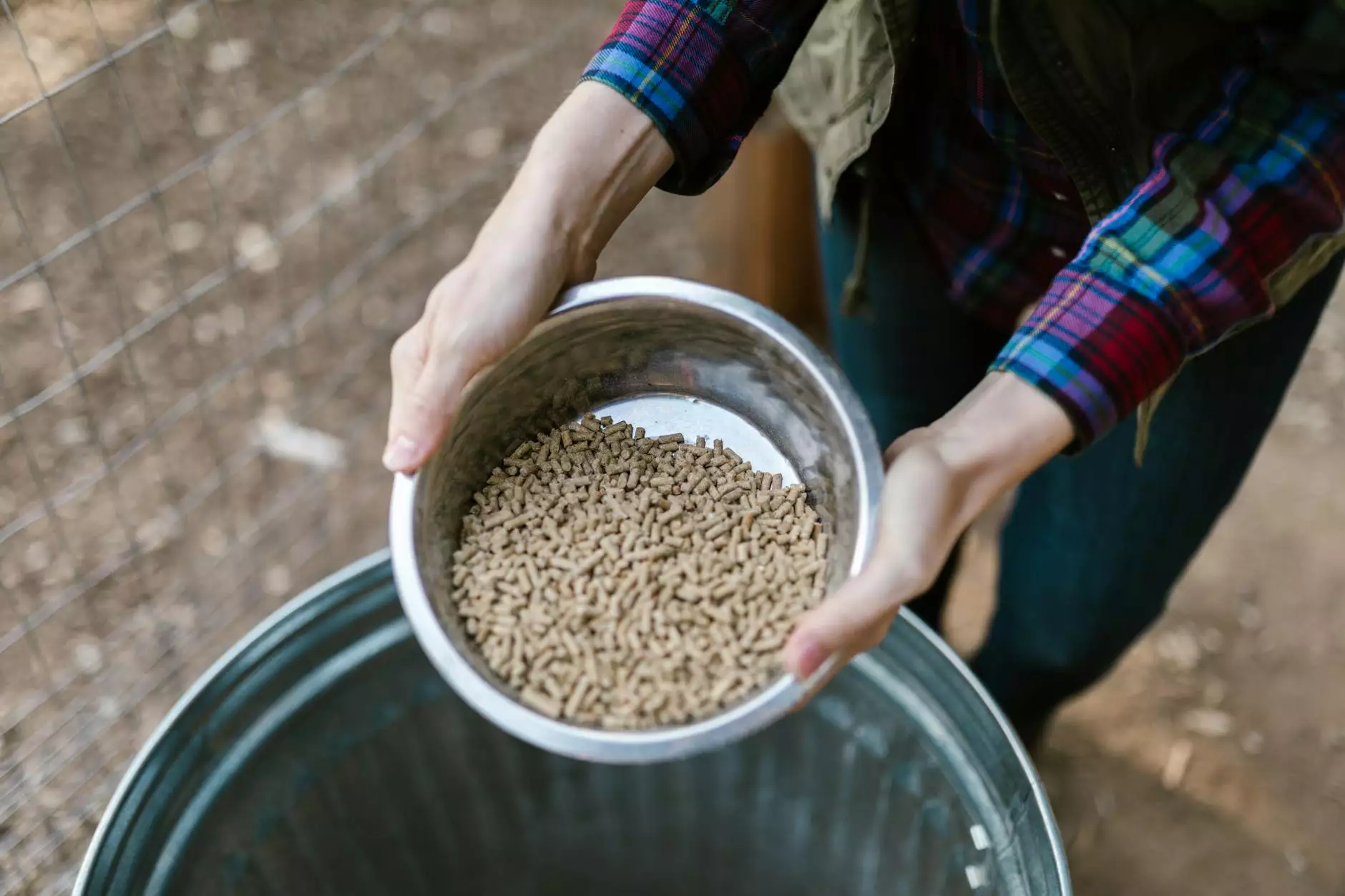
Wood stove pellets have become increasingly popular among homeowners seeking a renewable and efficient heating solution. As a blend of sustainability and affordability, these pellets are engineered to provide high-quality heat while reducing your carbon footprint. This article delves into the numerous advantages of using wood stove pellets, their production process, and how they compare to other heating options.
What Are Wood Stove Pellets?
Wood stove pellets are small, cylindrical pieces of compressed wood byproducts. They are typically made from sawdust, wood shavings, and other wood residues that are subjected to high pressure and heat. This process creates a dense and efficient fuel source that burns exceptionally hot and clean.
The Composition of Wood Pellets
- Sawdust: The primary component of wood pellets, sawdust comes from various wood species.
- Bark: Sometimes included for additional energy content.
- Wood Shavings: A significant byproduct from wood processing industries.
- Additives: Minimal binders may be used to enhance pellet durability.
Why Choose Wood Stove Pellets?
Choosing wood stove pellets over traditional heating methods offers several benefits:
1. Environmental Benefits
Wood stove pellets are an eco-friendly heating option. They are made from renewable resources, and when sourced sustainably, they contribute to reducing greenhouse gas emissions. Using pellets can significantly lower your carbon footprint compared to fossil fuels.
2. Cost-Effectiveness
While the initial investment in a wood pellet stove may be higher compared to traditional heating systems, wood stove pellets often lead to lower heating costs over time. The price of pellets is generally stable, making them a reliable option for homeowners.
3. High Energy Efficiency
Wood pellets have a high energy density, which means they produce more heat per unit than many other wood fuels. This translates to lower consumption rates and less frequent refueling of your stove.
4. Convenience and Ease of Use
Modern pellet stoves are designed with user convenience in mind. They can be automated, allowing for easy ignition and temperature controls. Many appliances even include self-cleaning capabilities, reducing maintenance effort.
5. Clean Burning
The combustion of wood stove pellets produces significantly less ash and particulate matter than burning traditional firewood, making them a cleaner and healthier option for indoor heating.
How Are Wood Pellets Made?
The production of wood stove pellets involves a sophisticated process that ensures high quality and consistency. Here’s a step-by-step look at how wood stove pellets are manufactured:
1. Collection of Raw Materials
Raw materials such as sawdust and wood shavings are gathered from lumber mills and woodworking shops. Sustainability is key; thus, reputable manufacturers source their materials responsibly.
2. Drying
Raw materials are typically dried to reduce moisture content. This is crucial since high moisture levels can lead to poor pellet formation and combustion efficiency.
3. Grinding
The dried raw materials are ground into fine particles. This increases their surface area, which is necessary for effective compression into pellets.
4. Pelletizing
The powdered material is then fed into a pellet mill, where it is compressed under high pressure to form pellets. The heat generated during this process helps to bind the particles together, creating a dense fuel source.
5. Cooling and Packaging
Once formed, the pellets are cooled to remove any excess heat and then packaged for distribution. Proper packaging ensures that moisture levels remain low, preserving pellet quality.
Comparing Wood Stove Pellets with Other Heating Options
It’s essential to consider how wood stove pellets stack up against other common heating options available. Let’s examine some of the alternatives:
1. Traditional Firewood
- Burst of Heat: Firewood provides excellent heat but requires more frequent refueling.
- Ease of Use: Pellets are easier to handle and store compared to bulk firewood.
- Cleaning: Burning firewood can create more ash than pellets.
2. Natural Gas
- Cost Efficiency: Natural gas can sometimes be cheaper; however, its price can fluctuate.
- Environmental Impact: Natural gas is a fossil fuel, contributing to greenhouse gas emissions.
- Setup Costs: Gas installations can be expensive compared to pellet stoves.
3. Electric Heating
- Initial Costs: Electric systems are often cheaper to install but can lead to higher energy bills.
- Reliability: In case of power outages, electric heating systems fail, whereas pellet stoves remain operational.
- Carbon Footprint: The environmental impact of electric heating depends on the energy source.
Choosing the Right Wood Stove Pellets
Not all wood stove pellets are created equal. To ensure optimal performance, consider the following factors when selecting your pellets:
1. Pellet Grade
Wood pellets are categorized into different grades based on their quality, primarily premium and standard. Premium pellets have lower ash content and higher heat output, making them more efficient.
2. Moisture Content
The ideal moisture content for wood pellets is around 5-8%. High moisture content can lead to lower efficiency and increased emissions. Always check the specifications when purchasing.
3. Certifications
Look for pellets that have undergone certification by organizations such as the Pellet Fuels Institute (PFI). This ensures they meet high-quality standards.
Storing Wood Stove Pellets
Proper storage is crucial to maintaining the quality of your wood stove pellets. Here are essential tips for effective storage:
1. Keep Dry
Store pellets in a dry location, preferably elevated from the ground and away from moisture sources. A shed or an enclosed space would be ideal.
2. Use Air-Tight Containers
For smaller quantities, consider using air-tight containers to prevent exposure to humidity.
3. Monitor Temperature
Avoid storing pellets in extreme temperature conditions. Ideally, keep them in a well-ventilated area with controlled temperature to maintain quality.
Conclusion: Embrace Efficient Heating with Wood Stove Pellets
In conclusion, wood stove pellets provide an excellent solution for homeowners looking for an environmentally friendly and cost-effective heating source. As you consider the benefits of switching to wood pellets, remember to evaluate the quality of pellets, choose the right stove, and practice proper storage techniques. Embrace the warmth and efficiency that wood stove pellets can bring to your home while contributing to a sustainable future.
For more information about premium wood stove pellets and to explore our timber products, visit starytimbersro.com.