Maximizing Business Efficiency with Network and Server Monitoring Tools: A Comprehensive Guide for Modern Enterprises
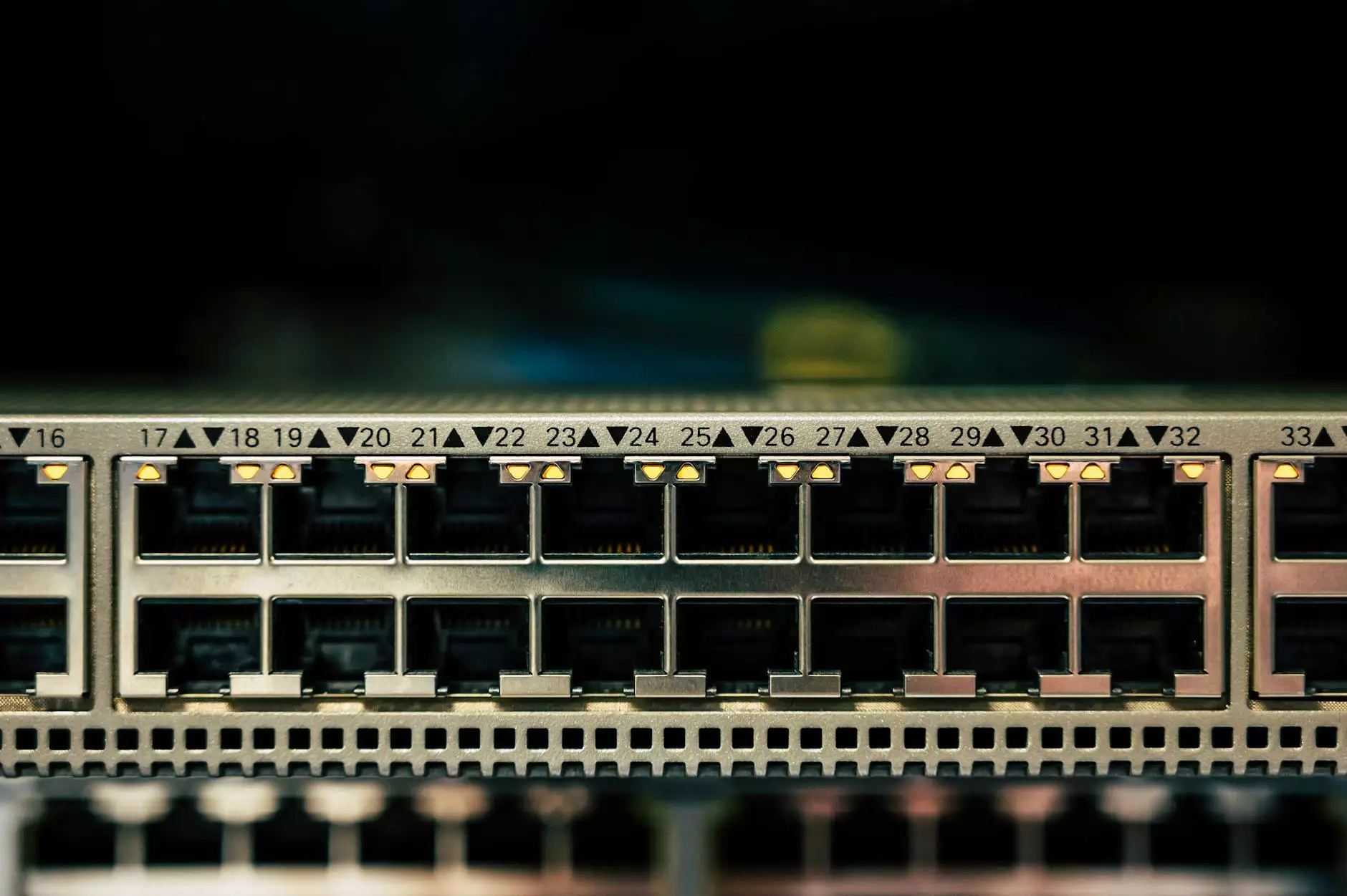
In today's hyper-connected world, the backbone of every thriving business is a robust and reliable IT infrastructure. Companies across all industries depend heavily on their network and server systems to facilitate daily operations, support customer interactions, and drive innovation. To maintain optimal performance and ensure business continuity, organizations are increasingly turning to network and server monitoring tools. These sophisticated solutions provide real-time insights, proactive problem detection, and comprehensive analytics that are critical to maintaining competitive advantage in a digital economy.
The Strategic Importance of Network and Server Monitoring in Business Success
Businesses operating without effective network and server monitoring tools face the peril of unanticipated downtimes, security breaches, and inefficiencies that can severely impact revenue and reputation. Monitoring tools serve as the sentinel guards of your IT environment, providing continuous oversight to identify and resolve issues before they escalate into costly disruptions.
- Minimize Downtime: Rapid identification of network or server failures limits operational interruptions.
- Enhance Security: Monitoring detects unusual activities or potential breaches early, facilitating swift responses.
- Optimize Performance: Insights into network traffic and server loads enable fine-tuning for peak efficiency.
- Control Costs: Identifying resource wastage helps in better resource allocation and cost management.
- Ensure Compliance: Monitoring supports adherence to industry standards and regulatory requirements.
Understanding the Core Components of Effective Network and Server Monitoring Tools
Modern network and server monitoring tools comprise several key components that work synergistically to provide a comprehensive view of IT infrastructure:
- Real-Time Network Traffic Analysis: Tracks data flow across all network devices to identify congestion, bottlenecks, or malicious activities.
- Server Health Monitoring: Checks CPU usage, memory, disk space, and process statuses to ensure servers operate within optimal parameters.
- Event Logging and Alerting: Records crucial events and automatically notifies administrators about anomalies or failures.
- Performance Metrics Collection & Visualization: Gathers data over time and presents it through dashboards for trend analysis.
- Security Monitoring: Detects unauthorized access attempts, malware, and other security threats in real-time.
Choosing the Right Network and Server Monitoring Tools for Your Business
Every organization has unique requirements dependent on size, industry, compliance standards, and existing IT infrastructure. When selecting network and server monitoring tools, consider the following factors:
1. Scalability and Flexibility
The tool should evolve with your business, accommodating growth or changes in network architecture without substantial overhaul costs.
2. Ease of Use and Integration
Intuitive interfaces and seamless integration with existing systems reduce the learning curve and accelerate deployment.
3. Reliability and Accuracy
Accurate detection and reporting prevent false positives or negatives, allowing for precise troubleshooting.
4. Customizable Alerts and Dashboards
Personalized notifications and adaptable visualization improve responsiveness and decision-making.
5. Security Features
Advanced security protocols within monitoring tools help safeguard sensitive organizational data.
Benefits of Implementing Advanced Network and Server Monitoring Tools
When properly deployed, network and server monitoring tools deliver several tangible advantages that elevate business operations:
- Proactive Issue Resolution: Fix problems before users notice disruptions, thereby maintaining high service levels.
- Improved Operational Visibility: Gain comprehensive insights into network health, performance trends, and potential vulnerabilities.
- Enhanced Security Posture: Detect and respond promptly to cyber threats, reducing risk exposure.
- Cost Savings: Avoid emergency repairs and reduce downtime-related losses through proactive management.
- Regulatory Compliance: Maintain logs and audit trails required by industry standards.
- Business Continuity Assurance: Ensure critical systems remain operational, minimizing business impact during incidents.
Implementation Best Practices for Network and Server Monitoring
To maximize the benefits of monitoring tools, organizations should follow best practices during deployment:
- Perform a Comprehensive Infrastructure Audit: Understand all network devices, servers, and applications involved.
- Select the Right Monitoring Scope: Focus on critical assets first, then expand coverage gradually.
- Set Clear Thresholds and Alerts: Define acceptable performance baselines and configure notifications accordingly.
- Establish Regular Review Processes: Analyze collected data periodically to identify patterns and plan improvements.
- Train IT Staff: Ensure staff understand how to interpret monitoring data and respond effectively.
- Invest in Continuous Improvement: Update monitoring configurations as the network evolves and new threats emerge.
The Future of Network and Server Monitoring
The landscape of network and server monitoring tools is continuously evolving, driven by advancements in artificial intelligence, machine learning, and automation. Future developments include:
- AI-Driven Predictive Analytics: Anticipate issues before they occur based on historical data patterns.
- Automated Response Systems: Automatically resolve common problems, reducing manual intervention.
- Enhanced Security Integration: Seamless fusion of security and performance monitoring to foster a proactive security stance.
- Cloud-Native Monitoring Solutions: cater to hybrid and fully cloud environments seamlessly.
- Improved User Interface and Accessibility: Simplify complex data through improved visualization tools and mobile access.
Why RDS-Tools.com Is Your Trusted Partner in Network and Server Monitoring
At RDS-Tools.com, we understand that a resilient IT infrastructure underpins your entire business operation. Our offerings in IT Services & Computer Repair, Computers, and Software Development include comprehensive solutions tailored to your needs—particularly in the area of network and server monitoring tools.
Our expert team provides:
- Customized Monitoring Solutions: Designed to fit your business size and industry requirements.
- Seamless Integration: Ensuring compatibility with your existing infrastructure for minimal disruption.
- Proactive Support: Continuous assistance to optimize your monitoring environment and adapt to new challenges.
- Training & Consultation: Enabling your team to leverage monitoring tools for maximum benefit.
- Cutting-Edge Technologies: Incorporating the latest innovations to keep your network secure and efficient.
Transform Your Business Operations with Intelligent Monitoring
In conclusion, adopting advanced network and server monitoring tools is not just an IT necessity but a strategic business imperative. These tools empower organizations to transition from reactive troubleshooting to proactive management, ensuring performance, security, and compliance. By investing in state-of-the-art monitoring solutions and expert support from trusted providers like RDS-Tools.com, your business can unlock new levels of operational efficiency and resilience.
Contact Us Today
Ready to enhance your IT infrastructure through sophisticated monitoring? Reach out to our team at RDS-Tools.com and discover how our tailored solutions can drive your business forward. Don’t wait for issues to disrupt your workflow—be proactive with expert network and server monitoring tools.