chirag-international.com / Journal
Understanding and Managing Pain After Root Canal Treatment: A Complete Guide by Leading Doctors and Dentists
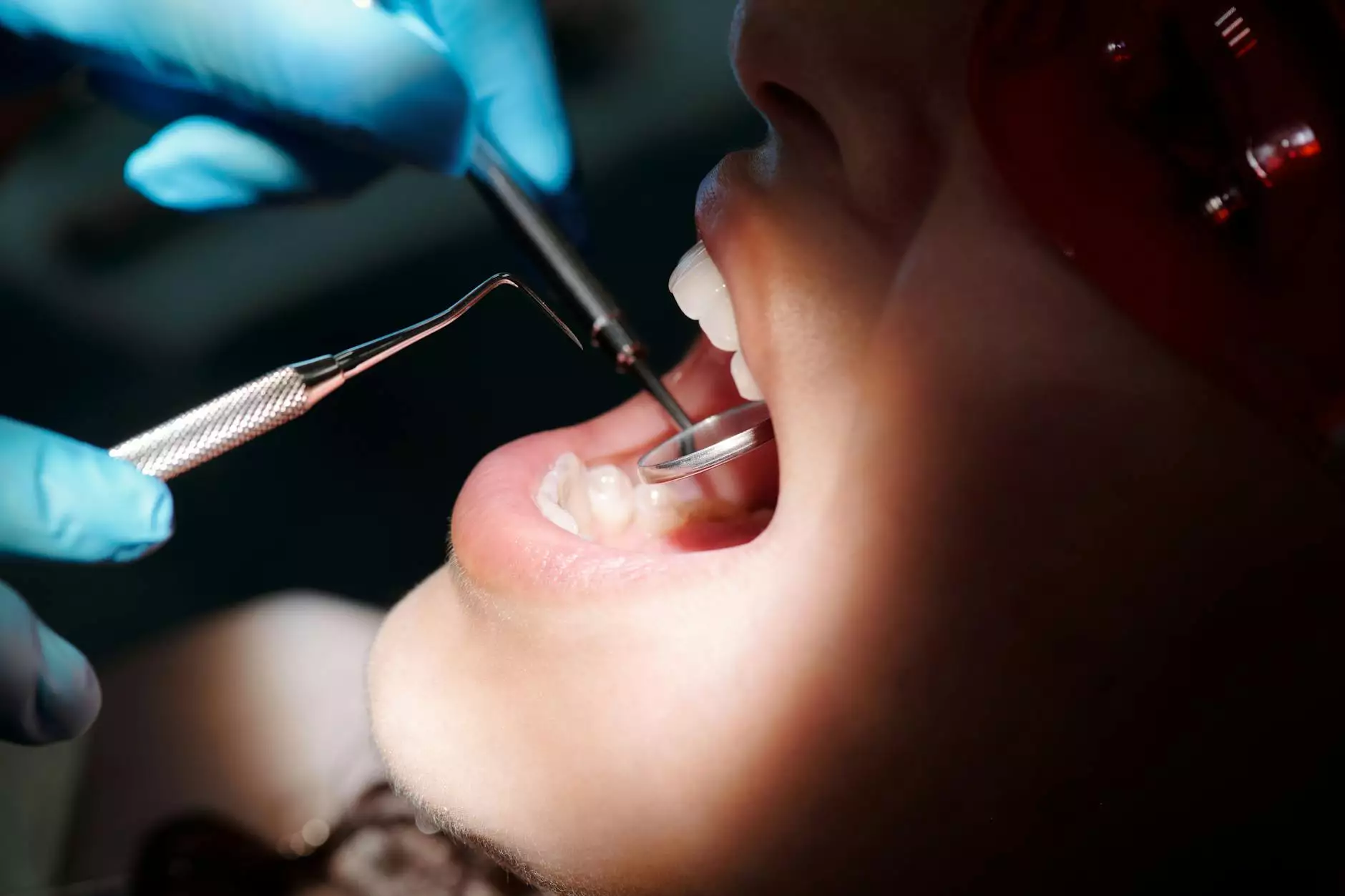
Root canal therapy is a common and highly effective dental procedure performed by experienced dentists and general dentists. It saves teeth from extraction by removing infected pulp tissue, cleaning, and sealing the root canals to prevent further infection. However, many patients experience concerns about post-procedure discomfort, especially characterized by pain after root canal treatment. This guide provides an in-depth understanding of the causes, alleviation strategies, and when to seek professional help, ensuring you are well-informed about your dental health journey.
What Is Root Canal Treatment and Why Is It Necessary?
Root canal treatment, also known as endodontic therapy, is a vital dental procedure designed to eliminate inflammation and infection from within the pulp of a tooth. The pulp, comprising nerves, blood vessels, and connective tissue, can become inflamed or infected due to deep decay, repeated procedures, cracks, or trauma. If untreated, this condition may lead to abscess, significant pain, and tooth loss. The primary goal of the treatment is to preserve the natural tooth structure, restore functionality, and prevent systemic infections.
The Process of Root Canal Treatment: What Patients Can Expect
Understanding each step of root canal therapy can help demystify the procedure:
- Anesthesia: Local anesthetic is administered to numb the area, ensuring a painless experience.
- Access Opening: A small opening is made in the crown to access the pulp chamber.
- Pulp Removal and Cleaning: Infected or damaged pulp tissue is carefully removed, and root canals are cleaned and shaped.
- Filling and Sealing: The cleaned canals are filled with a biocompatible material called gutta-percha and sealed tightly.
- Restoration: A crown or other restoration restores the tooth’s strength and appearance.
Common Causes of Pain After Root Canal Treatment
While root canal procedures boast high success rates, some patients may experience discomfort or pain during recovery. Recognizing the underlying causes can help manage symptoms effectively:
1. Inflammation of Surrounding Tissues
Post-treatment, the periapical tissues (around the tip of the root) may be inflamed due to the infection or the cleaning process itself. This inflammation can result in a mild to moderate discomfort that usually subsides within a few days.
2. Incomplete Removal of Infection
If some infected tissue remains or if the bacterial contamination was extensive, persistent pain or swelling may occur, necessitating further professional intervention.
3. Overextension of Filling Material
Sometimes, the root canal filling material extends beyond the root apex, irritating surrounding tissues and causing discomfort.
4. Cracked or Fractured Tooth
Pre-existing cracks or fractures can worsen after treatment, leading to pain that might mimic post-procedural discomfort.
5. Re-infection
New bacterial invasion, especially if oral hygiene is poor post-treatment, can cause recurring symptoms and pain.
6. Postoperative Sensitivity or Allergic Reactions
Some patients may experience heightened sensitivity to temperature or pressure, or rare allergic responses to materials used during treatment.
How to Effectively Manage Pain After Root Canal Treatment
Managing pain efficiently is key to a successful recovery. Here are comprehensive strategies recommended by top dentists and doctors from ElsYusufoglu.com.tr:
1. Follow Post-Operative Care Instructions
- Take prescribed analgesics and antibiotics promptly as directed by your dentist.
- Avoid chewing or applying pressure on the treated tooth until it is fully restored.
- Maintain optimal oral hygiene using gentle brushing and rinsing to prevent bacterial buildup.
- Apply cold compresses to reduce swelling and numb the area if necessary.
2. Use Appropriate Pain Relief
Over-the-counter medications such as ibuprofen or acetaminophen are typically effective in controlling post-treatment discomfort. However, severe or persistent pain should prompt a consultation with your dental professional.
3. Maintain a Soft Diet
Eating soft, non-irritating foods can prevent additional stress on the treated tooth, reducing the likelihood of pain and damage.
4. Monitor and Record Symptoms
Keeping a log of pain intensity, duration, and any additional symptoms such as swelling or fever can help your dentist determine if further treatment is needed.
5. Avoid Certain Triggers
Steer clear of extremely hot or cold foods and beverages until your dentist confirms that recovery is complete and the tooth is fully restored.
When to Seek Immediate Dental Assistance
While mild discomfort is typical, certain signs warrant urgent professional evaluation:
- Severe, unrelenting pain not relieved by medication
- Extensive swelling around the treated area
- Fever or malaise indicating possible infection
- Signs of allergic reaction such as rash or difficulty breathing
- Persistent or worsening pain beyond a week post-procedure
Preventing Future Dental Complications and Pain
One of the best strategies to minimize pain after root canal treatment is prevention. Here’s how:
- Maintain Regular Dental Check-Ups: Routine visits help detect issues early.
- Practice Excellent Oral Hygiene: Proper brushing, flossing, and use of mouthwash reduce bacterial load.
- Avoid Chewing Hard Foods: Protect fragile or restored teeth from fractures.
- Seek Prompt Dental Care for Trauma or Decay: Immediate attention prevents extensive infections and reduces the need for complex procedures.
The Role of Leading Dentists and General Dental Practitioners in Managing Post-Treatment Pain
At ElsYusufoglu.com.tr, our team of expert dentists and general doctors prioritize patient comfort and provide comprehensive care that extends beyond the procedure. We emphasize personalized treatment plans, patient education, and follow-up to ensure smooth recovery and minimal discomfort.
Innovative Technologies and Techniques for Better Outcomes
Modern dentistry employs advanced tools such as rotary instrumentation, apex locators, and 3D imaging, which enhance precision during root canal procedures. These innovations greatly reduce the chances of residual infection, overfilling, and subsequent pain after root canal treatment.
Furthermore, regenerative endodontic techniques and biocompatible materials continue to evolve, promising even more comfortable recoveries and durable results for patients.
Conclusion: Empowering Patients with Knowledge and Care
Understanding the causes, management strategies, and professional support available for pain after root canal treatment empowers patients to take an active role in their dental health. With the right care, timely intervention, and expert guidance from premier clinics like ElsYusufoglu.com.tr, discomfort can be minimized, and your smile can remain healthy and beautiful for years to come.
Contact Us for Expert Dental Care
If you are experiencing prolonged or severe pain following root canal therapy, or wish to learn more about preventive measures and treatment options, contact our experienced team of dentists and doctors today. Your optimal dental health is our highest priority.